
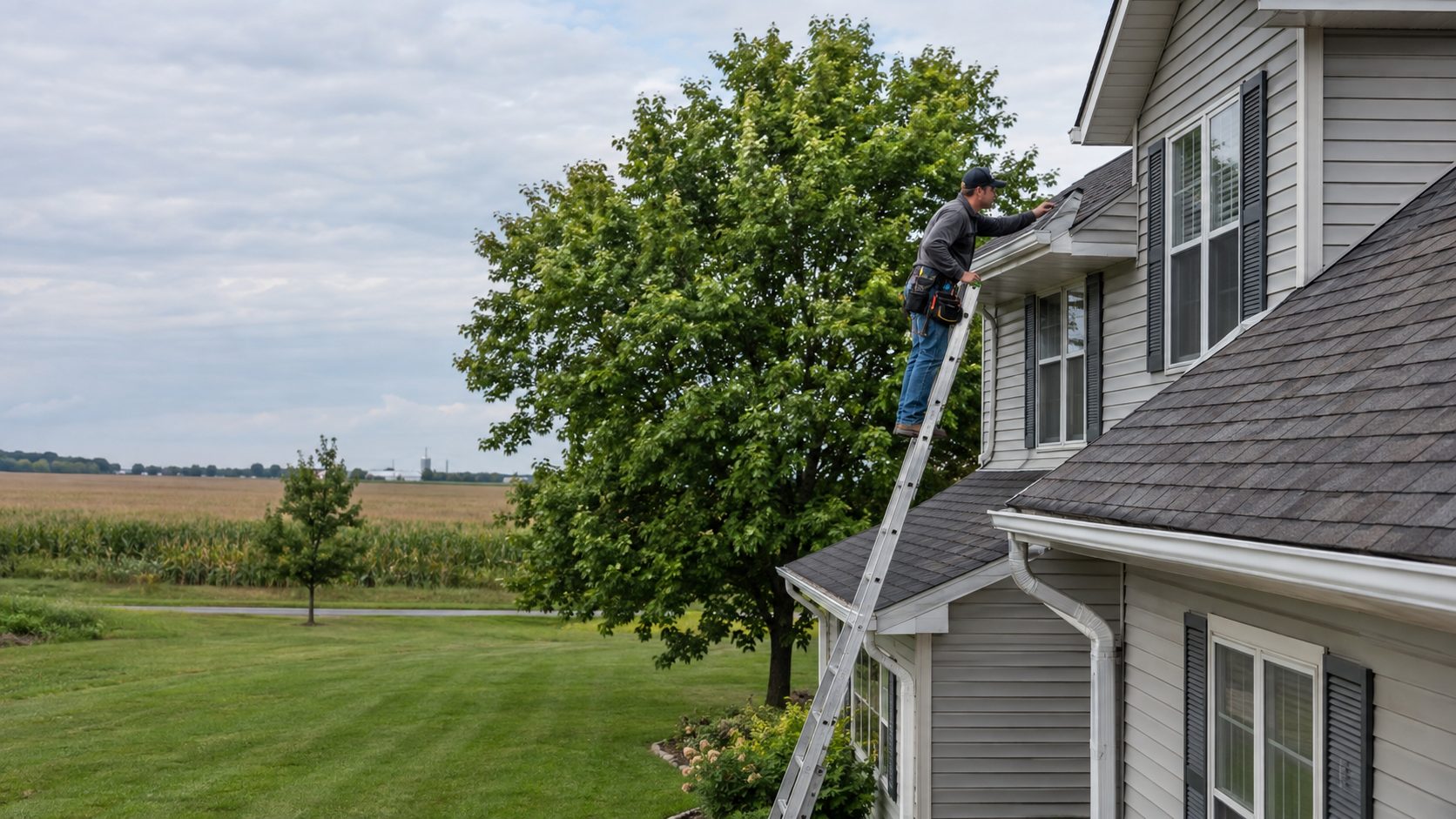
Find roofing contractors serving Center Point, Iowa, for inspections, repairs and replacement estimates. Describe what you’re seeing, then compare clear scopes for your home.
Call now Request an estimateA roof problem can start with a few lifted shingles, a damp ceiling, or granules collecting near a downspout. In Center Point, Iowa, changing seasons put roofs through hot sun, strong storms, snow and repeated freeze-thaw cycles. A contractor’s inspection can evaluate the affected area, look for nearby deterioration, and determine whether a small repair will do or broader work is needed. This website refers homeowners to roofing contractors serving the area. Share the basics of the issue through the quote form to help start a conversation about the next step.
Wind and hail can damage shingles and flashing without making every problem obvious from the ground. The 2020 derecho remains a local example of severe wind affecting roofs; hail, strong winds, and ice dams are also ongoing concerns for homeowners. After a storm, note any visible changes and check inside for new stains, damp insulation or drips. Avoid climbing onto a damaged roof. A roofing professional can inspect safely, document what they find and explain which repairs may be appropriate.
Some roof issues need prompt attention, while others can be planned around the roof’s overall condition. A small leak may come from a failed flashing detail or a damaged shingle, but water can travel before it appears indoors. When considering a new roof, review estimates for the materials, removal of existing roofing, cleanup, and any factors that could change the total. Contractors may also discuss ventilation, gutters and roof details that affect performance. Use the quote form to share details about your roof and why you are seeking help; the matched pro can respond about an inspection or estimate.
Homes in Center Point range from older residences to newer houses and rural properties, so roof age and construction details differ across the area. Older homes may have several layers of past repairs or flashing details that deserve a careful look. Newer roofs can still suffer storm damage, especially at edges, ridges and around vents. Instead of applying one standard fix to every home, a roofer should base recommendations on the roof’s specific shape and condition. Tell the pro about past leaks or repairs when requesting an inspection.
Winter brings another set of roof concerns. Snow can linger in shaded areas, and warm air escaping into an attic may contribute to ice dams near the eaves. Poor attic airflow, blocked drainage or a buildup of leaves can make moisture problems worse. In warmer months, thunderstorms can bring wind and hail that loosen shingles or damage vents and gutters. Center Point properties with mature trees or exposed rooflines may have different maintenance needs. A roof inspection can check vulnerable edges, drainage paths, flashing and ventilation before a small issue spreads.
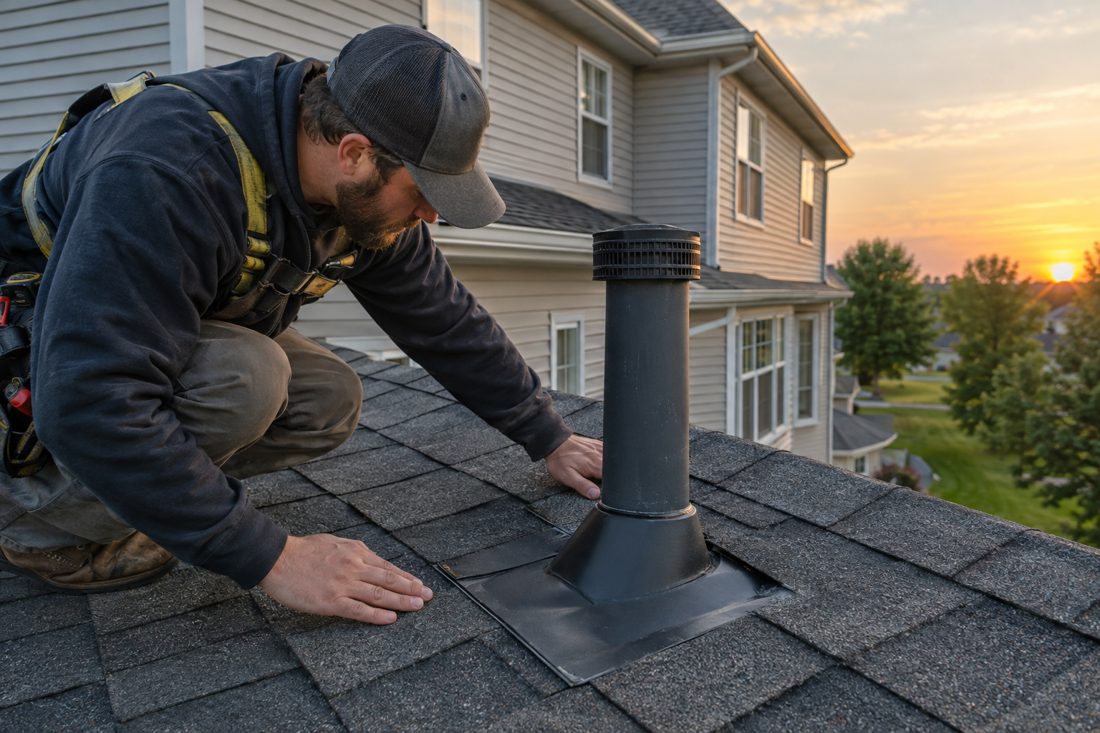
A roofer can examine shingles, flashing, vents, roof edges and visible decking concerns, then explain what needs attention. An inspection is useful after a storm or when a roof is aging. Request pictures or a written summary of the inspection to understand the findings and weigh your options.
Wind gusts can lift shingles or rip them off, and hail may leave damage that is difficult to judge while standing on the ground. A local roofing team can record which sections were affected and suggest work suited to the roof’s current state. After severe weather, share any indoor leaks or visible debris.
When fixing the roof is not a good option, a roofer can estimate full replacement costs and go over materials, removal of old roofing, and installation. Ask how slope, access, roof shape and decking condition affect the written scope. A clear estimate helps you compare proposals without relying on a broad online average.
A nearby roofer can trace a leak, check flashing and replace damaged materials where practical. Related issues may involve gutters, drainage or attic ventilation, particularly when moisture or ice dams recur. Ask which work addresses the source of the problem and which items are optional maintenance.
For a typical home in the area, replacing the roof with architectural asphalt shingles usually costs between $9,000 and $18,000. Roof size and pitch, layers to remove, site access, roof features, and possible decking repairs all affect the final price. Opting for Class 4 shingles designed to resist impacts may add about 10% to 25% to the replacement cost. Some policies may offer an insurance discount for qualifying shingles, but check directly with your insurer. A minor leak fix typically costs $300 to $1,200; the amount depends on where the water is coming from and how much work is involved. Since storm coverage depends on the policy, compare the roofer’s written estimate with the adjuster’s records before starting work.
Look for missing shingles, damaged gutters or signs of water inside, but stay off the roof. Take ground-level photos if it is safe, and arrange an inspection with a roofing contractor. Before filing a claim, ask your insurer which documentation it requires and what steps to follow.
Icicles alone do not confirm roof damage, but recurring ice at the eaves, water stains near exterior walls or damp attic insulation can point to a problem. Have a roofer assess the roof and ask whether attic airflow or drainage may be contributing. Do not chip ice from the shingles.
It depends on the policy, the cause and extent of damage, and the insurer’s review. For an approved storm claim, homeowners generally cover the deductible, while the insurer pays approved costs above that amount. Ask your carrier about requirements, and compare the approved scope with the contractor’s estimate before work starts.
Describe the roof issue, any visible damage and when you first noticed it so a roofing contractor can understand what you need.