
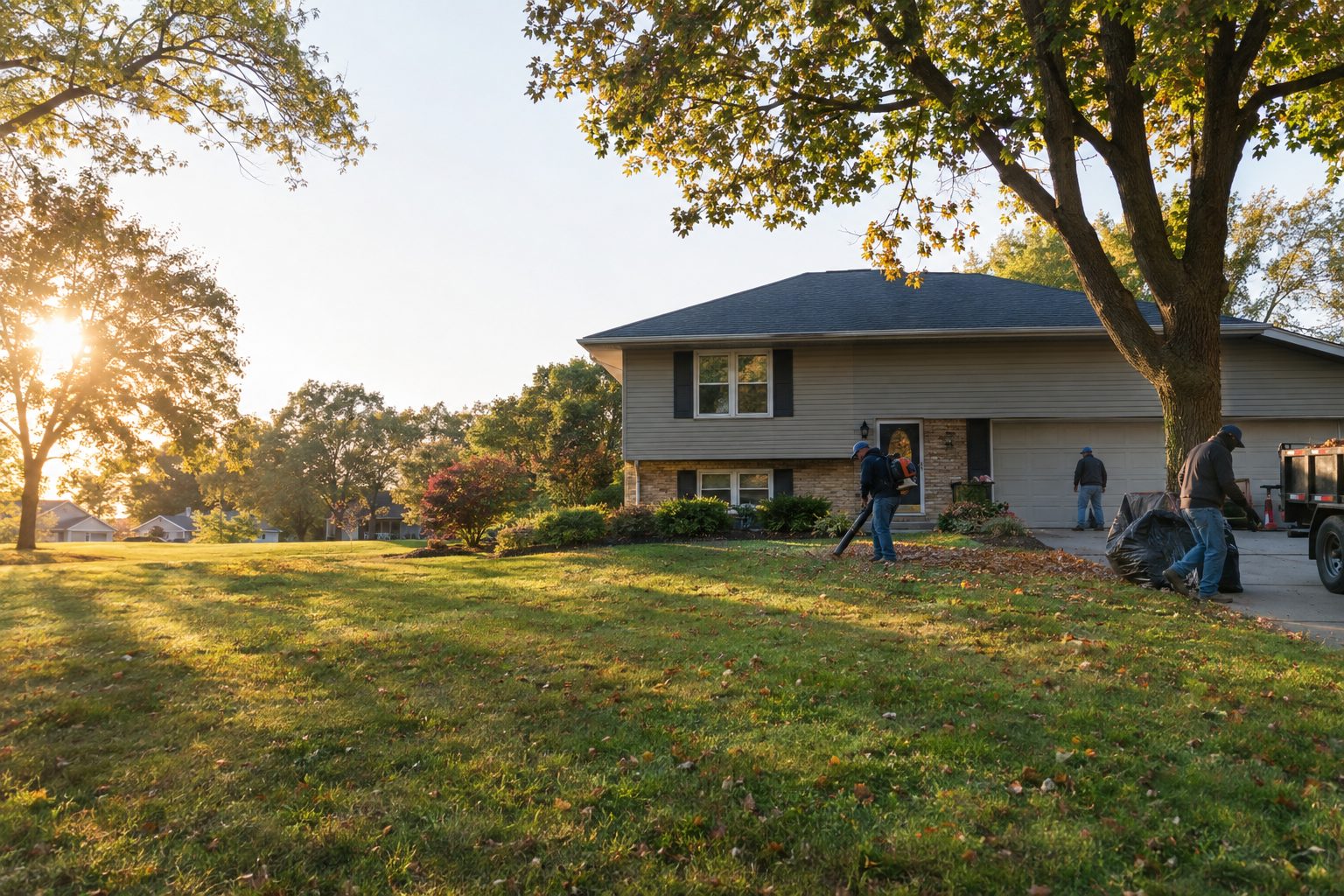
Hiawatha roofs face hard tests from hail, strong winds, winter ice and the occasional storm that changes a neighborhood overnight. Reach out to a nearby roofing company to discuss an inspection, needed repairs or a replacement plan for your home.
Call now Get a roof quoteA roof can look fine from the driveway and still have a lifted shingle, a damaged flashing seam or a soft spot starting beneath the surface. In Hiawatha, wind and hail can leave small problems that are easy to miss until water appears indoors. A roofing company in the area can inspect the roof, share its findings and help you weigh a repair against a larger job. For homeowners in 52233, the first step is often a careful look at the roof and the areas around it, not a guess based on a ceiling stain.
The 2020 derecho is still part of the local memory, and it showed how quickly severe wind can affect homes across the area. Hail may crack or bruise shingles, and strong gusts can shift roof edges, ridge caps or flashing. Roof damage may be hard to spot from below, and one section can be affected differently from another. An inspection after a major storm can document visible concerns and help you sort out what needs attention now, what can be monitored and whether it is worth discussing a claim with your insurer.
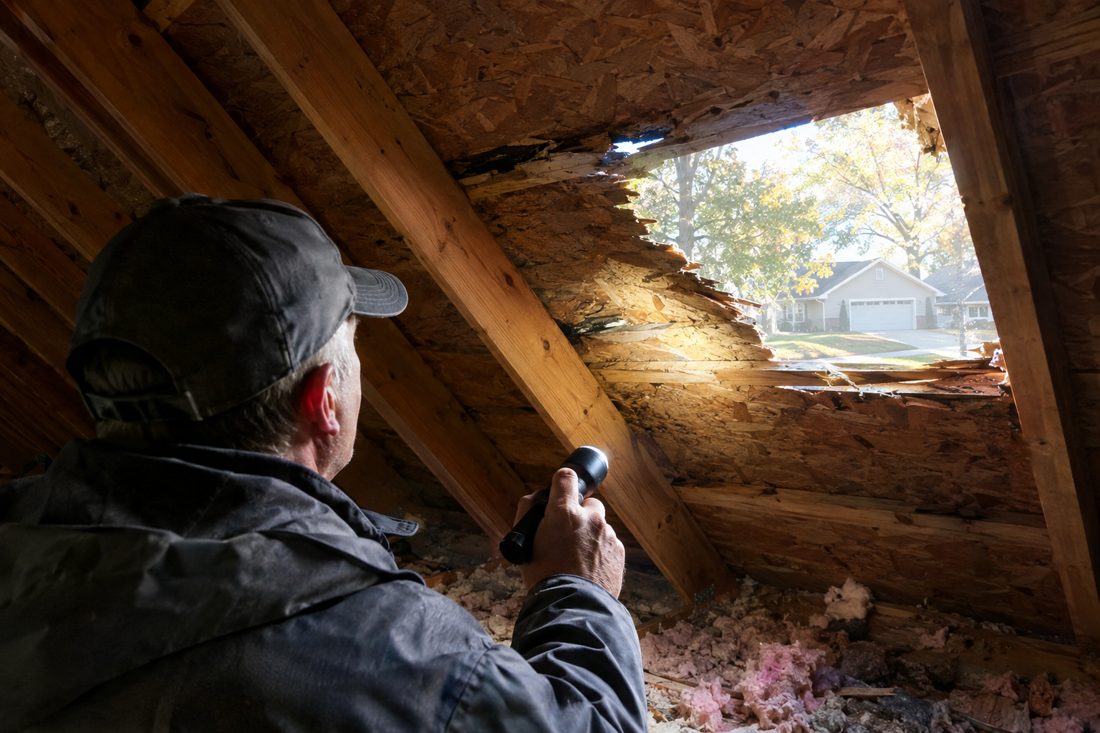
Iowa winters bring another set of roofing concerns. Snow and ice can collect near eaves, and ice dams may form when heat escaping from the house melts snow higher on the roof. Water can then work beneath shingles and show up around ceilings, walls or attic spaces. Good ventilation and insulation help manage the conditions that contribute to ice dams, but any leak still needs a close look. A nearby roofing crew can check the shingles, attic ventilation and drainage instead of assuming every winter stain has the same cause.
Hiawatha homeowners can use this site to connect with roofing contractors for everything from minor leak work to a full roof replacement. You can describe the issue, share what you have noticed and request a quote through the form. If a storm has just passed, photos taken safely from the ground can help explain what prompted your request. The right scope depends on roof age, material, slope and what an inspection finds beneath the visible surface. You get a chance to ask questions and compare the proposed work before deciding how to proceed.
An inspection can show how much wear the roof has, what effects storms may have had and where problems could develop. A local pro can check shingles, flashing, valleys, vents and drainage, then explain any findings in plain language. Inspections are also useful after a severe storm or when you are planning a repair or replacement.
Hail and wind damage may show up as cracked or bruised shingles, missing tabs, loose metal or granules collecting near downspouts. A local crew can inspect affected areas and document visible damage for your records. Because marks can indicate different conditions, ask the contractor what can be repaired and what needs a closer look.
When repairs no longer make sense, replacement gives you the chance to choose a suitable roofing material and address worn decking or ventilation issues. Local pros can review roof condition, removal needs, pitch and material options before preparing a scope. Architectural asphalt shingles are a common choice, with impact-resistant options available for homeowners weighing hail protection.
Water may travel from the entry point before it appears as a ceiling mark, so the source is not always directly above the stain. A roofer can inspect shingles, flashing, valleys and penetrations, then recommend a targeted repair when appropriate. Repairs for a minor leak often cost $300 to $1,200, depending on the damage and access.
If you think a storm damaged your roof, a nearby roofer can document visible conditions and estimate the recommended repairs. Your insurer determines coverage under your policy, so ask the adjuster about requirements and next steps. Review the contractor's proposal against the agreed work before the job starts, and ask about anything that does not match.
Clogged or poorly draining gutters can leave water close to the roof edge, while inadequate attic ventilation may contribute to uneven temperatures and winter ice concerns. A pro can check gutter condition, downspouts, intake and exhaust airflow, and visible signs of moisture. Improvements should suit the particular home, since changing a vent or gutter will not necessarily fix every problem.
Stay on the ground when checking for storm damage. If you see an active leak, move belongings away from the water and request an inspection rather than climbing onto a wet or icy roof.
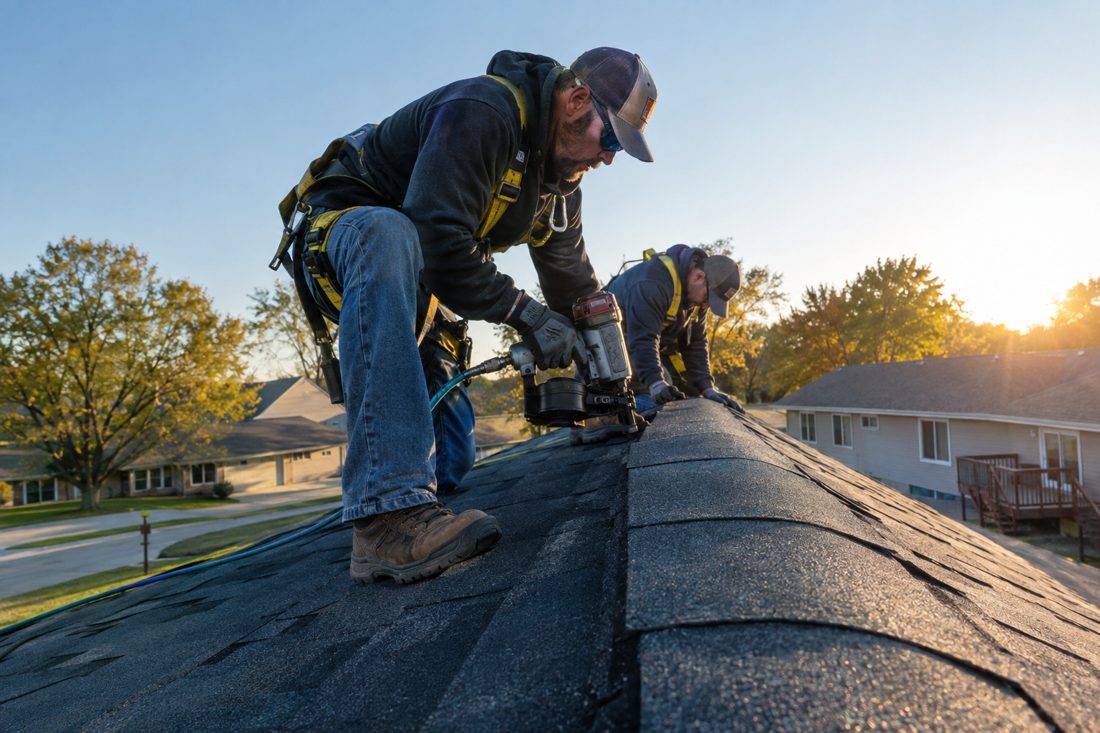

Replacing an architectural asphalt roof on a typical Hiawatha home generally costs $9,000 to $18,000. Costs depend on the roof’s area and slope, how many old roofing layers must be removed, and whether the decking needs work. Access, roof details and the agreed scope also matter, so an estimate based on your home is more useful than a broad online average. Ask the pro to spell out removal, materials and possible additional work in writing.
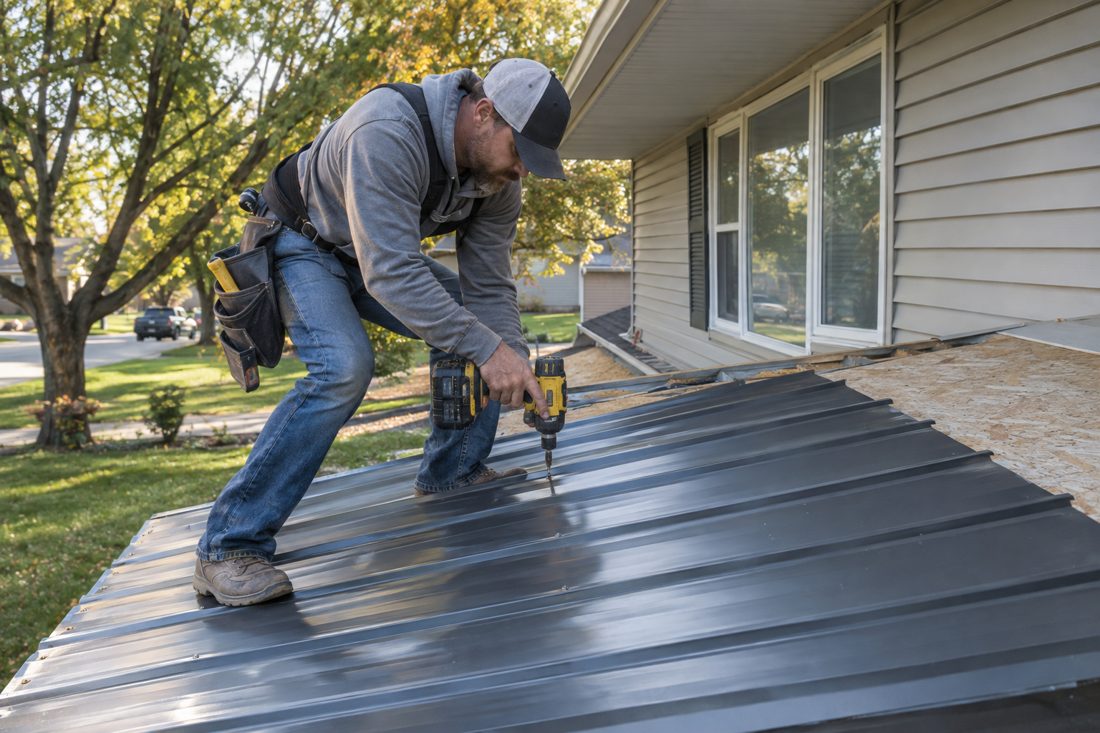
Selecting Class 4 shingles for impact protection may increase the roof replacement budget by about 10 to 25 percent. Impact-resistant shingles may be eligible for an insurance discount in hail-prone areas; check with your insurer because eligibility depends on your policy and carrier. A small leak repair often costs between $300 and $1,200. Cost varies based on where the leak is, the condition of nearby materials and the effort required to trace its source.
For covered storm damage, homeowners usually pay their deductible, and the insurance company covers the remaining approved work. Coverage and claim requirements vary by policy, and the insurer makes the coverage decision. Ask for a clear estimate and compare it with the adjuster's documentation before work starts. If the roof has damage beyond the approved work, ask the contractor and insurer how that difference should be handled.
Get connected with local pros who work in and around Hiawatha. They can assess your roof in the context of area weather, home conditions and the particular details of your project.
An inspection should lead to clear findings, not pressure to replace a roof without explanation. Ask what is damaged, what can be repaired and why the proposed work fits your home's needs.
Describe the issue once through the quote form and request help from a vetted local pro. You can review the estimate, ask questions and decide whether the suggested work is right for you.
Once hail or high winds pass through Hiawatha, take a careful look over your property from the ground. Check for shingle pieces, dented downspouts, fallen branches and debris, but do not assume that visible debris tells the whole story. Some damage is difficult to see from below. Take photos of what you can safely document and note the date of the storm and any water entry. Avoid walking on the roof, especially if it is wet, steep or covered in debris. An inspection can help establish whether there is damage and what should be done next.
Winter roof problems often become noticeable during a thaw, when water starts moving again. If you see a ceiling mark, record whether it grows after snow or rain and check the attic only if it is safely accessible. Look for damp insulation or water staining, but do not touch electrical components or enter an unsafe space. Ice along an eave can point to drainage or heat-loss conditions, though it does not identify the full cause by itself. Ask a roofer whether ventilation, insulation, gutters or roof repairs should be part of the evaluation.
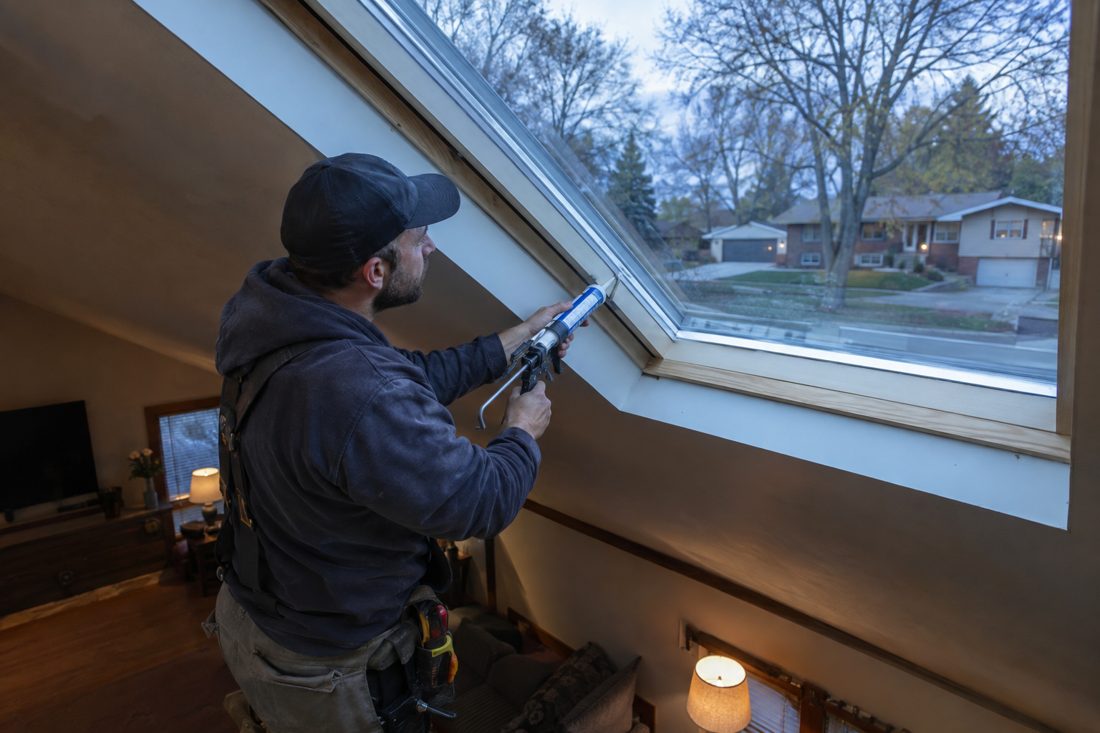
Keep gutters and downspouts clear enough to carry water away from the roof and foundation, particularly after leaves and windblown debris collect. Make ground-level checks part of seasonal home care, and look for water spilling over the gutter edge or pooling near the house. If you use a ladder, follow safe ladder practices and do not work in wind, rain or icy conditions. A pro can inspect gutters that are loose, sagging or difficult to reach. Roof drainage is one piece of the picture, not a substitute for checking the shingles and flashing.
Hiawatha's experience with the 2020 derecho is a reminder to keep basic roof records before the next major storm. Save prior estimates, inspection notes, invoices and photos in one place. After damage, document what you can without disturbing the roof, then contact your insurer to learn how a claim should be reported under your policy. Ask the roofing pro for an itemized scope and any supporting photos. Avoid signing off on work you do not understand. A little organized documentation can make conversations about repairs and claim estimates more straightforward.
Roofing help is available for homeowners in Hiawatha and nearby Cedar Rapids, Marion, Robins, Center Point and Palo. Share your address and project details so a local pro can confirm service availability.
Request an inspection when you have reason to suspect damage, particularly if you see missing shingles, dents or debris after a storm. You do not need to climb up to check. A pro can look for visible damage and explain whether a repair or further evaluation is appropriate.
A roofer can document roof conditions and prepare an estimate, but your insurer decides whether damage is covered under your policy. Ask your adjuster about reporting deadlines, documentation and the approved scope. Compare that scope with the contractor's proposal before authorizing work.
Not necessarily. Some leaks can be repaired, while widespread wear or damage may make replacement a better option. The source can be away from the interior stain, so have the roof and relevant flashing checked before deciding. Have the contractor walk you through the findings that support their advice.
Roof size, pitch, existing layers, material choice and any decking repairs all affect the cost. For a single-family home, an architectural asphalt shingle replacement generally falls between $9,000 and $18,000. Request a written estimate that lists the work and notes any conditions that could change the price.
Impact-resistant Class 4 shingles typically cost around 10 to 25 percent more than ordinary architectural asphalt shingles. In areas that get hail, these options may be worth considering, though added costs and possible insurance savings vary by project and policy. Confirm the possible discount with your insurer.
If it is safe, move your belongings away from the leak and put a container beneath the dripping water. Note where and when the water appears, and keep clear of sagging ceilings or electrical hazards. Request a roof inspection; avoid climbing onto a wet or icy roof.
Describe your Hiawatha roofing needs, such as storm damage, signs of a leak or plans for replacement. A vetted local pro can review the details and follow up about an inspection and estimate. You can also call to discuss your project.
Prefer to talk? Tap to call.