
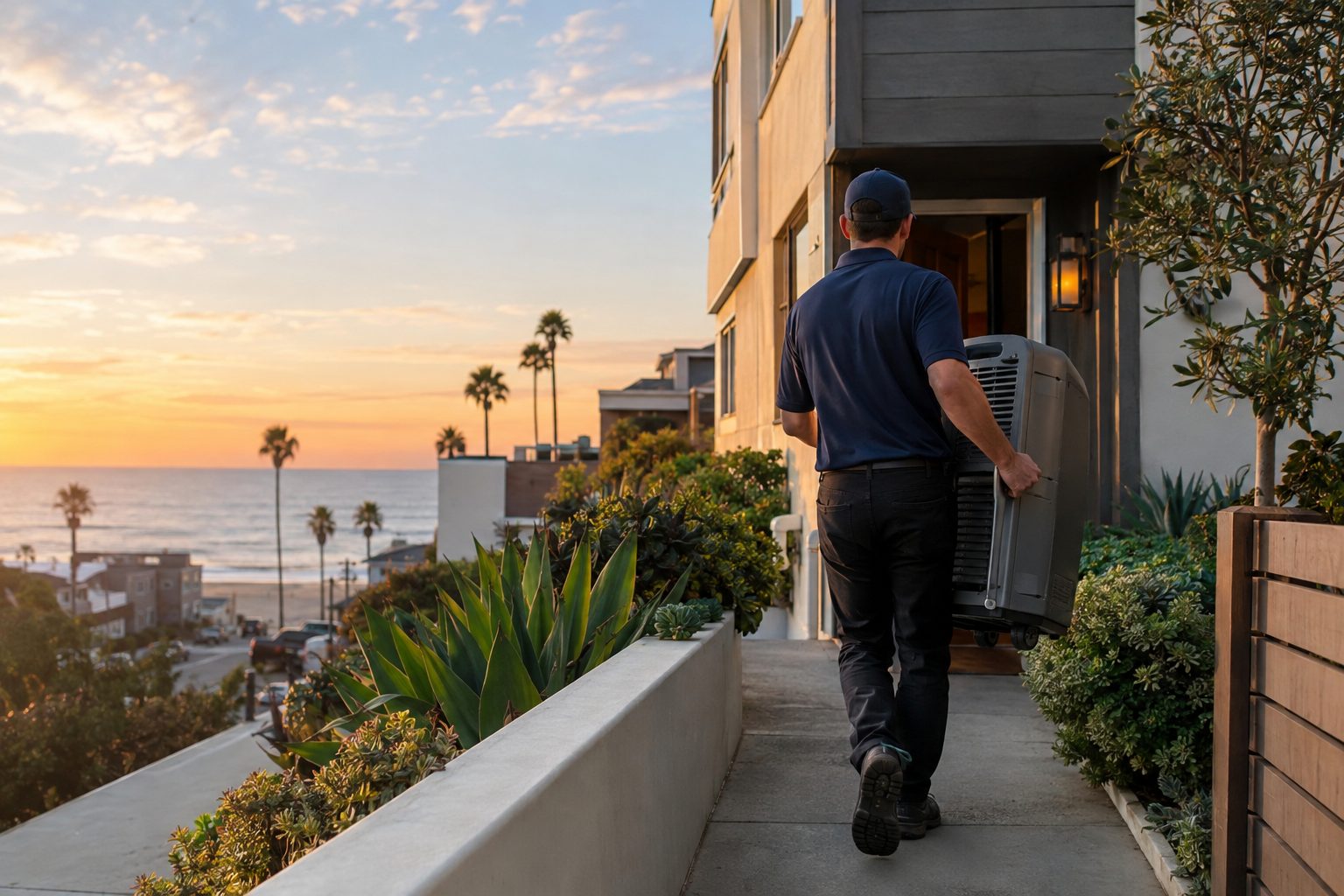
Water can travel farther than the leak that started it, especially in Hermosa Beach homes where walls and ceilings may be shared. Reach contractors nearby for water removal, drying, and clear records of the damage.
Call now Request an estimateA wet ceiling or spreading floor stain can be more than a surface problem. Water may move behind baseboards, under flooring, and through wall cavities before it becomes obvious. In Hermosa Beach, tightly spaced homes and older multi-unit buildings can make that spread especially important to check. If water appears near a shared wall or ceiling, tell the neighboring resident or property manager while the source is being addressed.
Turn off the water if you can do so safely, and keep people clear of electrical hazards. Afterward, a restoration team can address the impacted spaces, remove standing water, and install drying equipment. Prompt attention can help limit damage to finishes and belongings, but materials still need to be checked rather than judged by how dry they look on the surface.
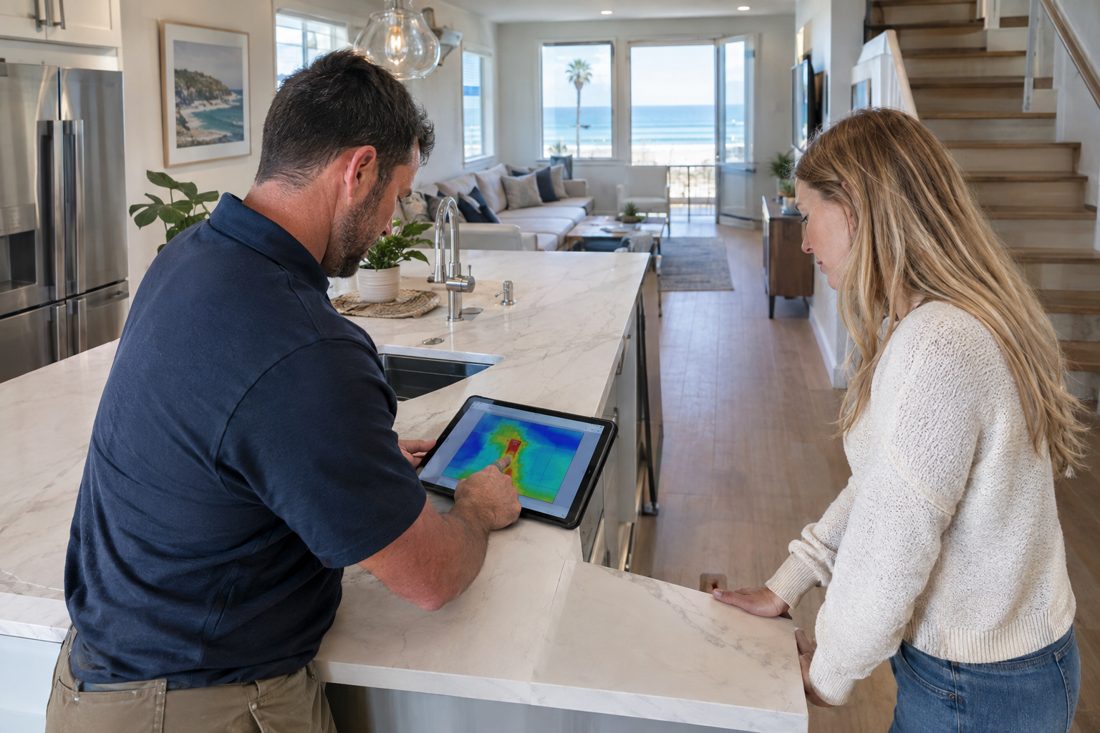
Coastal moisture can slow drying and make a small leak harder to assess by sight alone. Moisture readings help identify damp areas that may extend beyond the visible stain. A thorough assessment also helps determine whether flooring, drywall, insulation, or cabinets need special handling. The goal is to document what is wet and choose work based on the actual conditions in the home.
People in ZIP code 90254 and throughout Hermosa Beach can use this site to find contractors for restoring water-damaged homes. Describe what occurred, how far the water spread, and whether it is still flowing. A local crew can explain the recommended steps and provide a written estimate. If you are speaking with your insurer, keep photos and notes from the start of the loss.

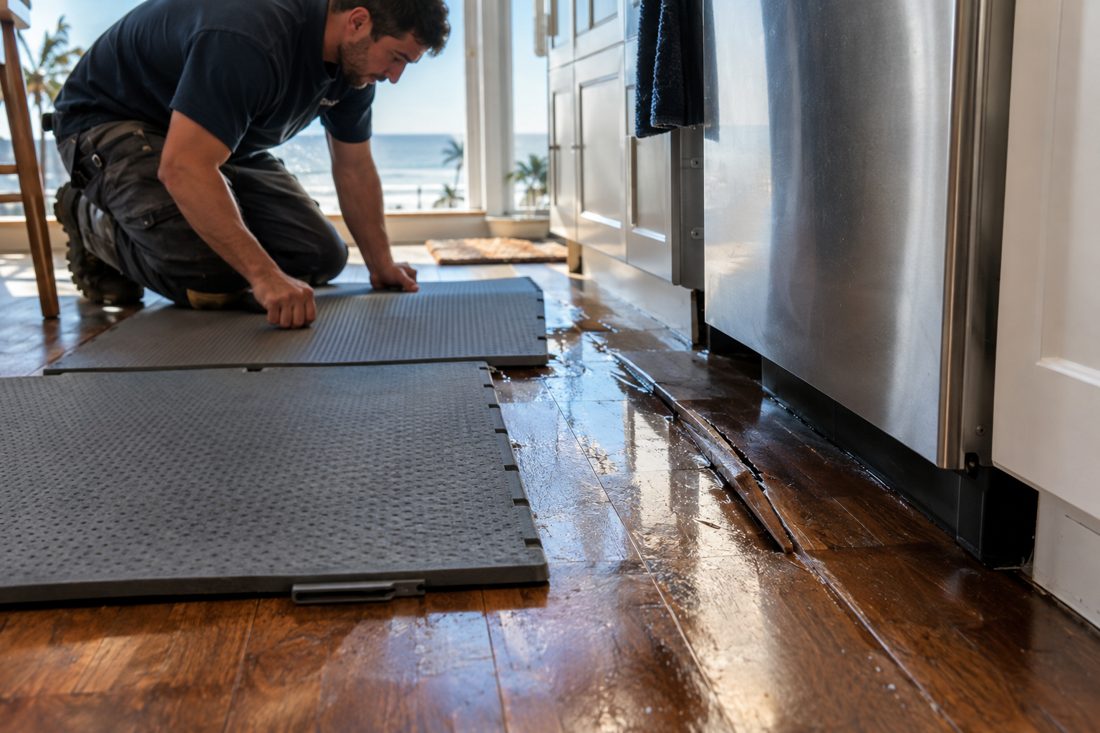
Water left on floors can migrate into nearby rooms and materials. Contractors choose water-removal equipment to match the water volume and surfaces, then check for moisture that remains. Removing water is only the first part of restoration, but it gives the drying process a better start and helps limit further exposure to wet materials.
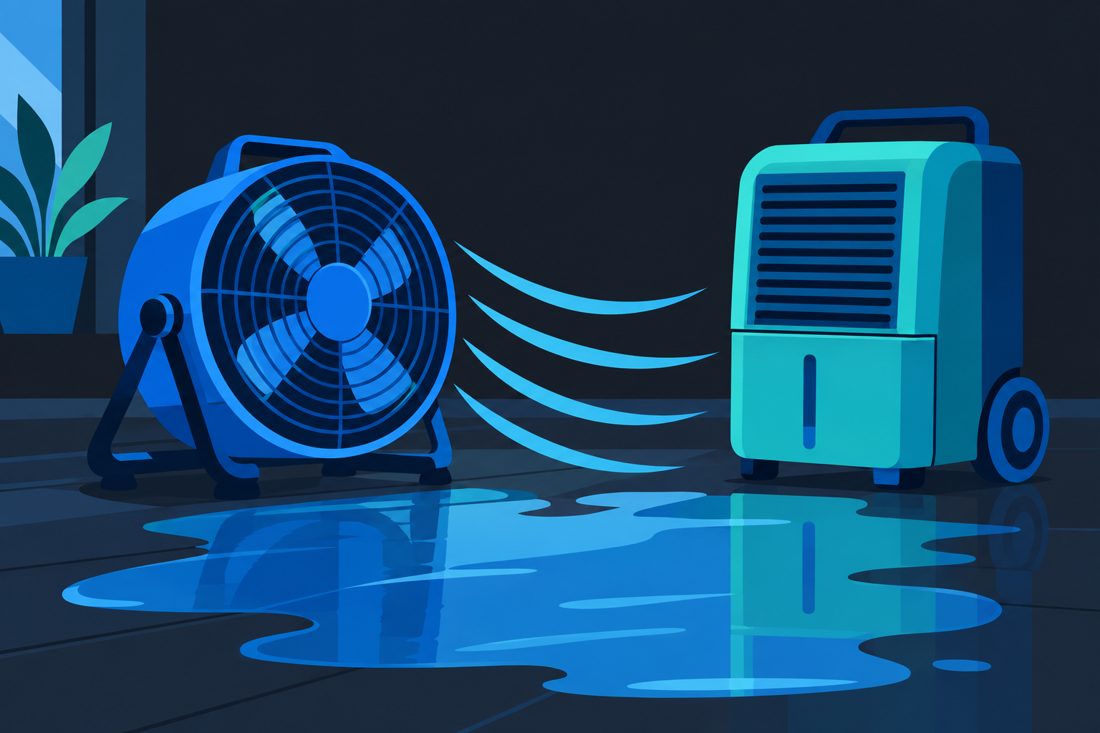
Once the water is removed, technicians can place air movers and dehumidifiers around the wet spaces. Moisture checks help guide where equipment is needed and when it can be adjusted or removed. In a home with shared walls or older construction, it can be useful to assess adjacent spaces too, rather than treating only the room where the stain first appeared.
A failed supply line, water heater connection, washing machine hose, or other appliance can release water quickly. The source should be stopped before restoration proceeds. Local pros can document the affected materials, remove water, and dry the area. Keep the damaged part or take photos when practical, since details about the leak may help with an insurance claim.
A roof leak can cause a ceiling mark, wet insulation, or moisture trapped inside a wall. The source of the leak needs attention as well as the interior damage, though roof repairs may be a separate scope of work. A restoration crew can assess what became wet, remove unsalvageable material when needed, and set up drying based on the affected area.
Damp materials should be dried and evaluated promptly because lingering moisture can support mold growth. Pros can look for hidden wet areas, explain which materials may need removal, and address affected surfaces where appropriate. If mold is already visible or the area has a persistent musty smell, describe that when requesting help so the assessment can account for it.
Photos, moisture readings, information about the water source, and a written estimate can help you explain the damage to an insurance adjuster. Local pros can document the restoration scope and affected materials. Whether your policy applies depends on its terms and what caused the damage. Review your records and ask your insurer instead of assuming every water loss is covered.
If water is near outlets, lighting, or electrical equipment, keep clear and contact the appropriate professional. Do not enter standing water if you suspect an electrical hazard.
When water damage is limited to a single room, removing the water and drying the space typically runs $1,200 to $4,500. The price depends on the volume of water, the building materials it reaches, and how long drying takes. A single room with a contained leak is different from a loss that has reached the wall cavity or traveled beneath flooring. Request a documented quote listing the tasks, affected locations, and any circumstances that might increase the scope.
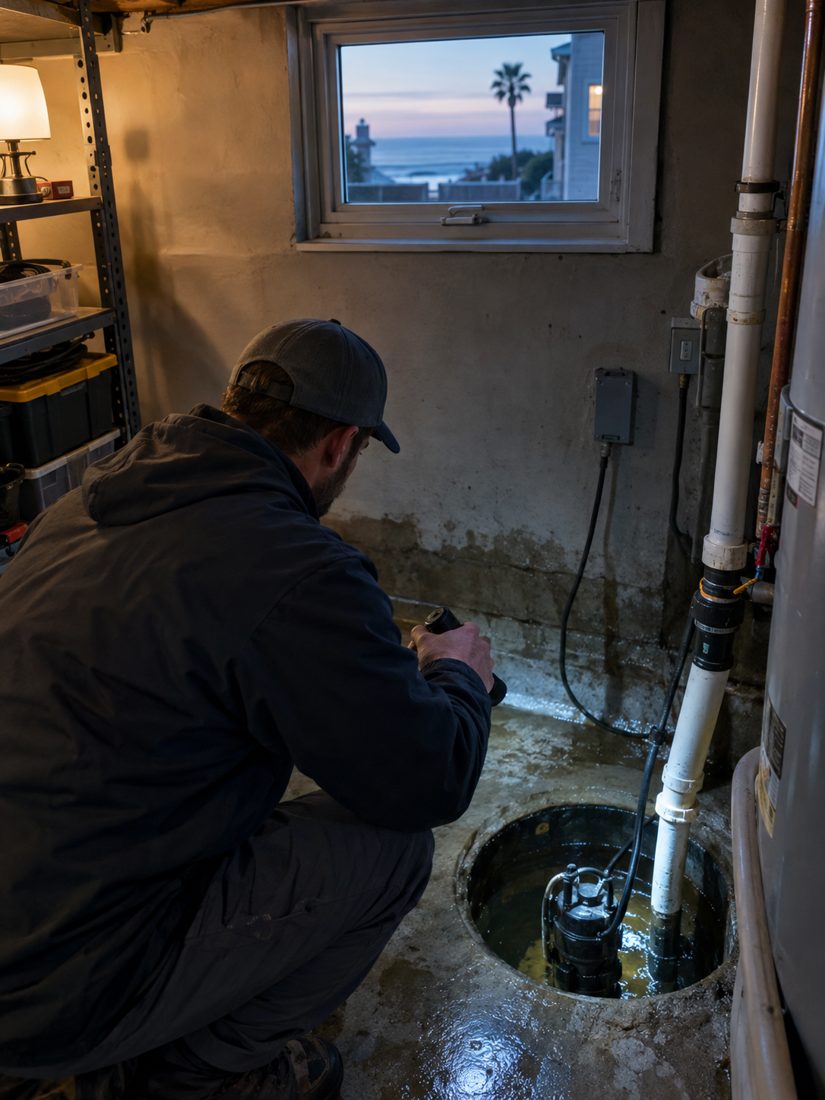
When several rooms are affected, floors must be taken out, or the water is category 2 or 3, restoration may cost $5,000 to $15,000 or more, excluding reconstruction. These figures describe restoration work and do not necessarily include replacing all finishes or repairing the original plumbing or roof problem. Some homeowners coverage applies to an unexpected event like a supply-line burst, but seepage over time and floodwater entering from outside are frequently excluded. Policy terms differ, so confirm coverage with your insurer.
Before work goes far, keep photos and ask for moisture documentation along with the estimate. Those records can help you understand what the crew found and give your adjuster details to review. If the leak came from a neighboring unit or shared building system, notify the property manager and ask how the claim should be handled. Avoid agreeing to a scope you do not understand; request an explanation of equipment, removal, drying, and any separate rebuild costs.
This referral service connects homeowners in Hermosa Beach with nearby contractors who provide water removal and drying. You can share the details of your loss and discuss the next step with a crew familiar with the area.
Water damage is not always limited to the visible mark. Before work begins, ask how the team will inspect nearby materials, which equipment they recommend, and how they will track and record progress.
Moisture records paired with a written quote help show which areas were affected and what work is proposed. Keep copies with your photos and insurer correspondence as the restoration proceeds.
During Hermosa Beach's wetter months, check ceilings, window edges, and areas below plumbing for fresh discoloration after rain. Coastal moisture can make a damp spot less obvious, so do not rely on smell or touch alone to judge whether a wall or floor is dry. Take a dated photo when you first notice a stain, then note whether it changes. If rain appears to be entering through the roof or exterior, arrange to address that source as well as the interior damage.
In tightly spaced homes and older multi-unit buildings, tell the property manager or neighboring resident if water may have crossed a shared wall, ceiling, or floor. A leak can affect more than the unit where it began, and early communication can help everyone identify the source. Record when you saw the water, what fixtures were running, and any steps taken to stop it. For a building-wide or shared plumbing concern, follow the manager's process while keeping your own photos and notes.
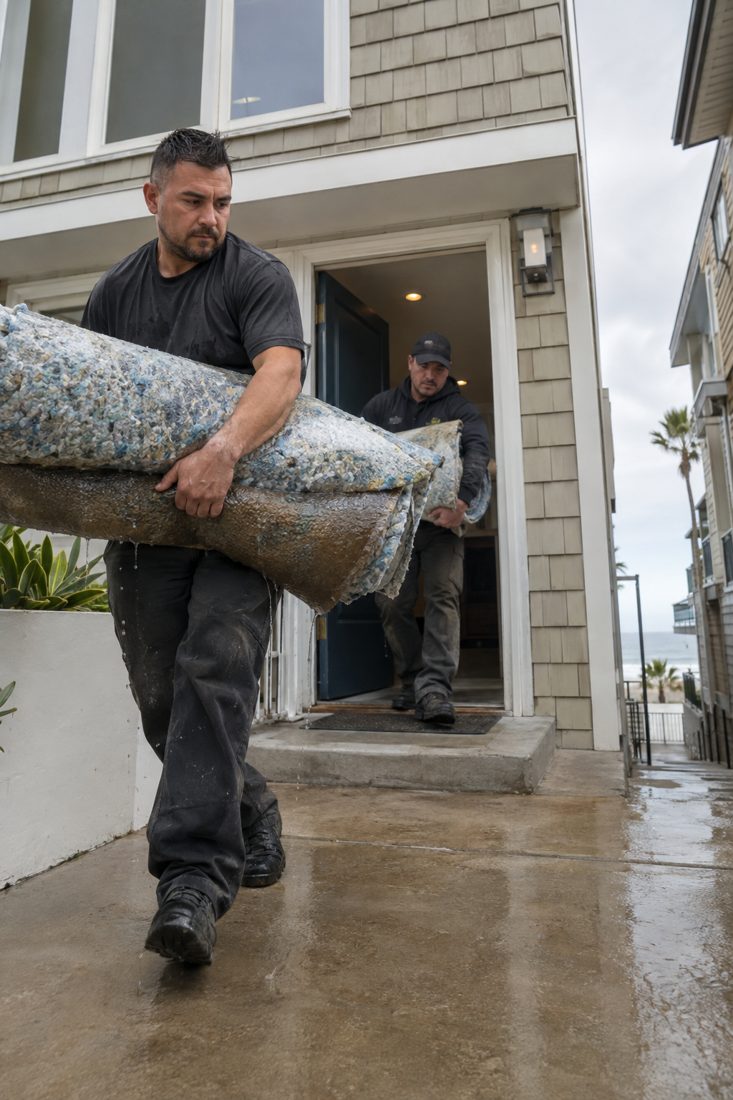
If a supply pipe or appliance line is leaking, turn off its shutoff valve if you can reach it safely. If you cannot identify the valve, contact a qualified plumber or building manager. Keep clear of wet electrical equipment and do not step into standing water where wiring could be involved. Move small belongings out of the wet area only if doing so is safe. Avoid pulling up flooring or cutting into a wall before the affected area has been assessed.
When you request an estimate, ask what the crew will measure, how often drying conditions will be checked, and what happens if moisture is found in an adjacent room. Get the proposed work in writing and keep copies of photos, estimates, and claim messages. If you live in a condo or rental building, ask who is responsible for the damaged materials and which party should notify the insurer. Clear records can help prevent confusion later, especially when more than one unit is involved.
Local pros may also serve nearby Manhattan Beach, Redondo Beach, El Segundo, and Torrance. Share your address and the affected area to confirm service availability.
Address an active leak as soon as you can do so safely, and arrange an assessment promptly. Water can move under flooring or into walls before the visible area looks severe. If the source is not clear, contact a plumber or building manager as appropriate, then share what you know with a restoration pro.
Sometimes. The right approach depends on the wall construction, how much moisture is present, and how long it has been wet. A pro can take moisture readings and explain whether drying in place is appropriate or whether some material needs removal. Ask what evidence will be used to confirm the area is dry.
Coverage depends on the cause of the loss and the terms of your policy. A homeowners policy might pay for sudden, accidental damage, including a ruptured supply line. Coverage often does not include gradual leaks or flooding caused by water from outside. Contact your insurer, provide photos and records, and ask what documentation they need before assuming a repair is covered.
Notify the property manager and the neighboring resident as soon as practical, especially if water may be moving through a shared wall, ceiling, or floor. Document where you see moisture and when it appeared. In a multi-unit building, the source and responsibility may involve shared systems, so keep communications and estimates organized.
Not always. Extraction and structural drying are distinct from replacing flooring, drywall, paint, cabinets, or other finishes. The estimate should say which tasks are included and identify any separate rebuild work. Ask the local pro to explain the handoff from drying to repairs so you can plan for the full scope.
When damage is limited to one room, water removal and drying commonly cost $1,200 to $4,500. Repairs for damage across multiple rooms, flooring removal, or category 2 or 3 water often run $5,000 to $15,000 or more, not counting rebuilding. A written estimate is the best way to understand your specific scope.
Describe the water source if known, when you noticed the damage, and which rooms or units are affected. A referral service can put you in touch with a nearby contractor to discuss an inspection and request a price estimate. If the water is still flowing or there may be an electrical hazard, address immediate safety first.
Prefer to talk? Tap to call.