
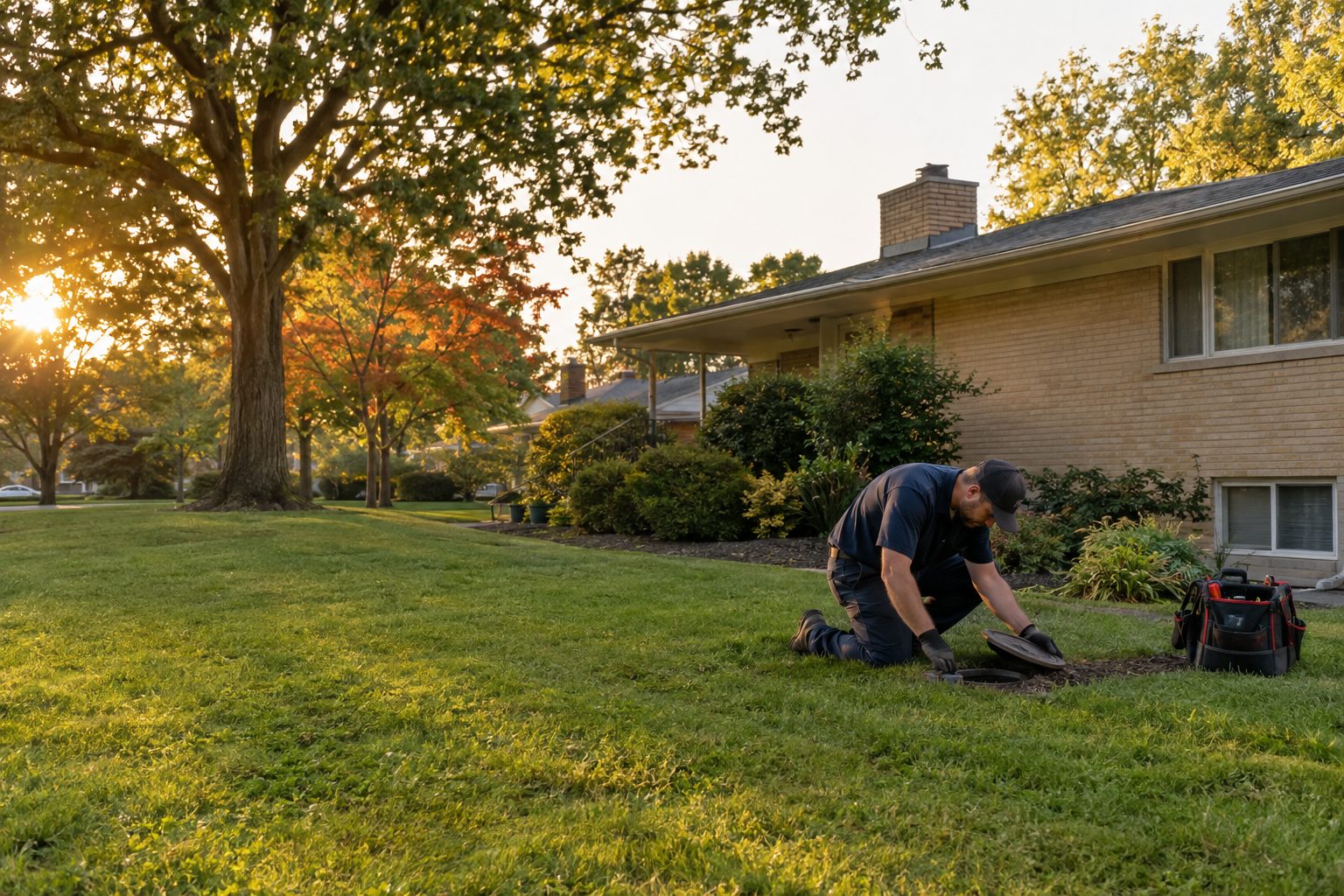
Kettering homeowners dealing with anything from a slow drain to an old sewer line can use the quote form to find a licensed plumber for work on their home.
Request a QuoteA plumbing issue may begin with a small sign, such as dampness beneath a sink, a toilet that runs continuously, or a slow-draining fixture. In Kettering, many homes were built in the mid-century period, and some still have original plumbing components that have seen decades of use. Submitting the quote form can help you connect with a licensed plumber serving the area. Share the symptoms, where they show up, and whether they are becoming more severe. This information may help a plumber assess what type of service visit is likely to be needed.
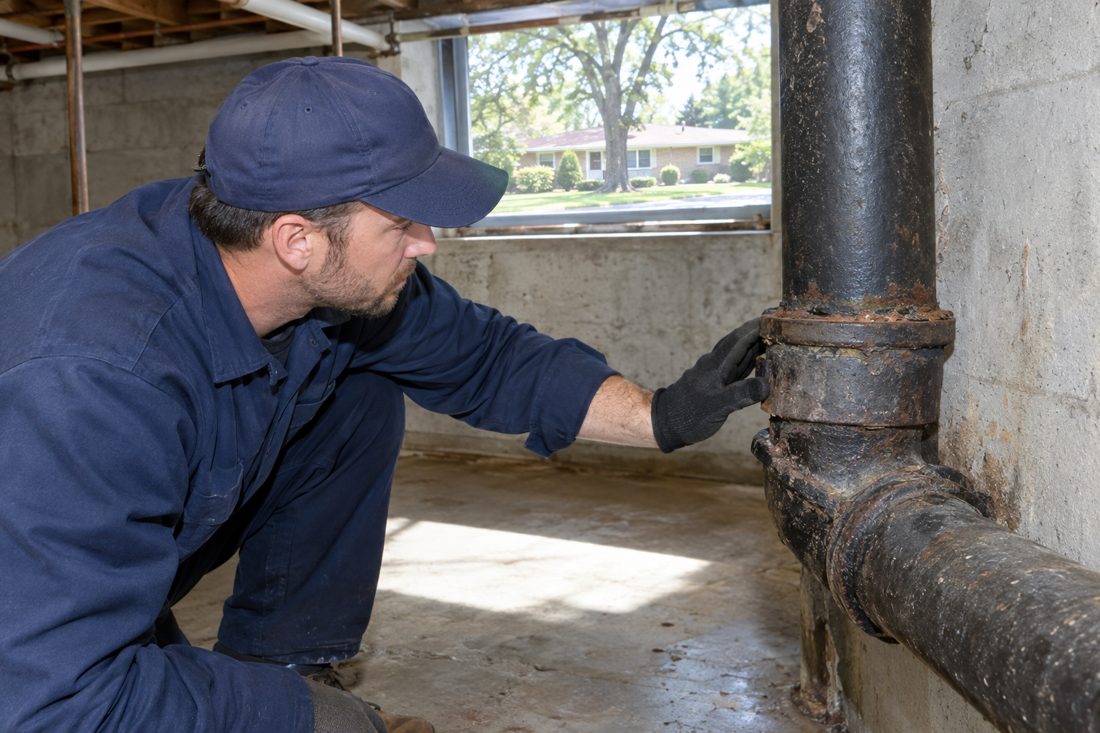
Aging pipes and drains do not always fail all at once. Cast iron drains can corrode or narrow over time, while older clay sewer lines may be vulnerable to cracks, shifting, or root intrusion. Repeated backups can signal trouble farther along the sewer line, rather than a clog close to a fixture. A plumber can inspect the symptoms and explain which repair options fit the conditions found. If a camera inspection seems useful, ask what it might show and whether it is listed as a separate estimate item.
Kettering households rely on plumbing through humid summers and freezing Ohio winters. Cold snaps can put exposed pipes at risk, and seasonal changes can bring new stress to older connections and buried lines. A closer evaluation may be warranted if the water heater cannot keep up, a leak returns after a quick repair, or several drains are slow. Submit the quote form with a description of the problem and your location in Kettering, OH. You can review the recommended work and estimate before deciding whether to proceed.
Kettering has many established residential streets with mid-century houses, including homes with basements, utility areas, and plumbing that may have been updated in stages. Some houses have original cast-iron drains and clay sewer lines that may be nearing the end of their service life. A drain may still work most days while gradually collecting scale or debris inside. For recurring backups, note how often they occur and which fixtures are involved. That history helps a plumber distinguish a local blockage from a wider drain or sewer concern.
Winter freezes and spring rain are practical considerations for plumbing in the Dayton area. Pipes in unheated spaces can be vulnerable during a cold spell, while wet ground and tree roots may complicate troubleshooting a buried sewer line. Homes differ in materials and layout, so age by itself cannot explain the source of a plumbing problem. A qualified plumber can check accessible plumbing, explain what testing is warranted, and show you where damage is suspected. Before approving major work, ask for the diagnosis, the proposed repair, and the parts of the job covered by the written estimate.
A leak behind a wall or beneath a sink can damage finishes before it becomes obvious. Tell the plumber where dampness appears, whether running a fixture triggers it, and how long it has been noticeable. A plumber can locate the cause and describe possible repairs.
In an older house, a stubborn drain or recurring backup may require more than routine clearing. A plumber can evaluate the obstruction and may suggest a camera check for deposits, tree roots, or damage inside the sewer pipe.
Have the water heater checked if hot water fluctuates, water leaks near the tank, or unusual sounds occur. Have a plumber evaluate the appliance and go over fixing it versus replacing it. For a new system installation, confirm which equipment, labor, and modifications the estimate covers.
Replacing a faucet, toilet, or aging section of pipe can improve function and help address recurring leaks. A plumbing technician who serves the area can examine the current connections, check for related wear, and explain the planned work before an upgrade.
The price varies with the problem, how accessible the work area is, and any other issues uncovered during inspection. A routine service appointment that covers a minor repair usually runs $150 to $450. Clearing the main drain usually costs $200 to $600, and a camera inspection may add $150 to $350. Installing a typical tank water heater with a 40- to 50-gallon capacity costs $1,500 to $3,500; installing a tankless unit may run $3,000 to $6,500. A minor sewer fix may cost about $1,500 at minimum; replacing the full line can reach $10,000 or more. These figures are general estimates, not a price quote for your home. Ask for written findings and pricing before approving work.
One slow sink may have a nearby blockage, but several fixtures backing up or recurring problems can suggest an issue farther along the drain system. The symptoms alone cannot confirm the cause. Having a plumber evaluate the affected fixtures can help determine whether a sewer camera could locate a clog or damaged pipe section.
Some mid-century homes in Kettering still have original cast-iron drains, but plumbing materials differ by house and may have been replaced over time. If drains are slow, corroded, or repeatedly backing up, ask a plumber to identify the pipe material and explain whether cleaning, repair, or further inspection is appropriate.
Note the affected fixture or area, when the problem first appeared, and whether it happens occasionally or keeps coming back. Mention visible water, odors, low hot-water supply, or multiple affected drains. If you know them, include the home's approximate age and details about previous repairs. Use the quote form to send those details.
Give a nearby licensed plumber a clear account of the issue, its location, and any symptoms you have observed for review.