

Waterloo weather can put a roof through hail, strong winds, heavy snow, and ice buildup. Connect with local pros for inspections, repairs, replacement options, and help understanding what your roof may need.
Call now Get a roof estimateWaterloo roofs need to stand up to more than the occasional shower. Hail can bruise shingles, high winds can loosen edges, and winter snow may sit for days before melting. Ice dams can also push water beneath roofing materials and leave stains indoors. Some damage is easy to spot from the ground, but small openings and lifted shingles can be difficult to see without a closer inspection.
This service refers homeowners to local contractors for roof inspections, storm damage assessments, repairs, and replacements. Share what you’ve observed, and we can connect you with a nearby crew that fits the job. If you are in ZIP code 50701 or elsewhere in Waterloo, it helps to share your roof’s age, material, and any recent storm concerns when you request an estimate.
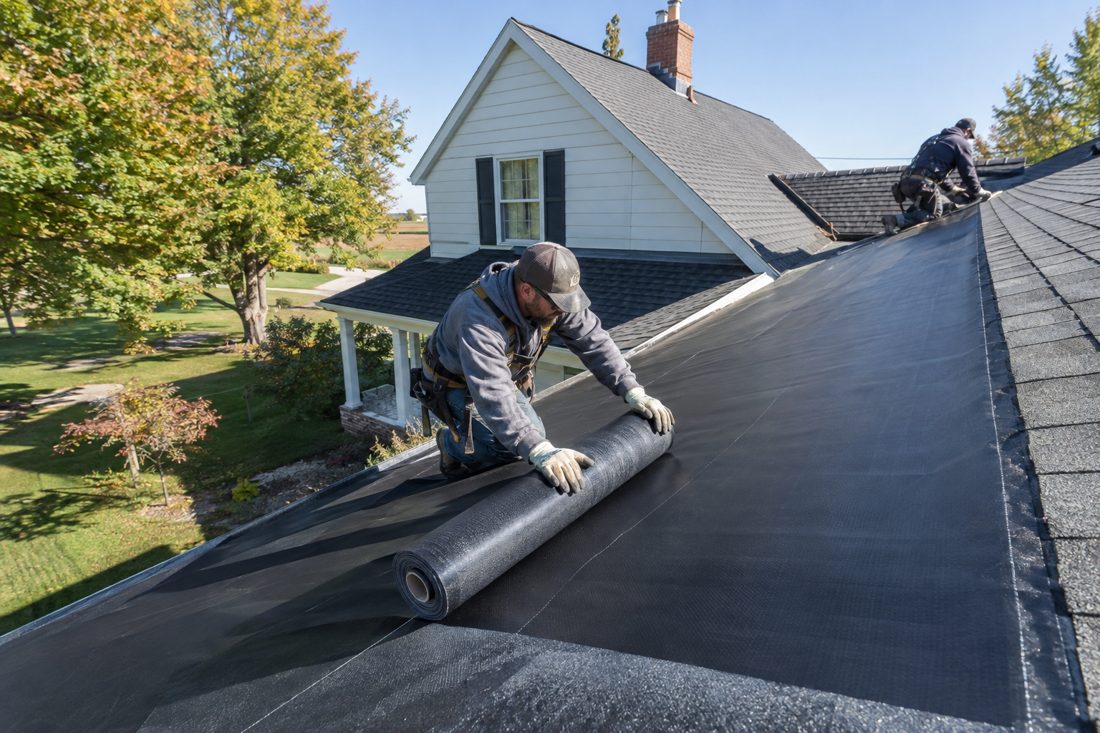
A careful assessment is useful even when there is no active leak. A roofer can look for missing or cracked shingles, worn flashing, exposed fasteners, soft spots, and trouble around vents or chimneys. They can also check whether gutters and attic ventilation may be contributing to moisture or ice buildup. Finding a small issue early may make it easier to plan a repair before water reaches insulation, ceilings, or finished rooms.
Not every roof needs to be replaced after a storm, and not every leak comes from the shingles themselves. What makes sense next will depend on the roof’s condition, where the damage is, and the materials currently installed. A roofing contractor nearby can walk you through the choices and give you a written description of the job. For storm-related concerns, photos and a timely inspection can also help you keep an organized record.

A roof inspection can identify wear before it turns into an indoor leak. A local pro checks shingles, flashing, roof edges, vents, and other vulnerable areas, then explains any concerns in plain language. Inspections are especially useful after a rough season or when buying a home, planning maintenance, or trying to understand the roof’s remaining service life.
Hail and high winds can crack shingles, dislodge granules, lift roof edges, or damage flashing. Some marks are hard to distinguish from ordinary wear, so a close assessment matters before you decide what to do. A local crew can document visible damage, identify needed repairs, and provide a written estimate for the work they recommend.
When repairs are no longer practical, a replacement gives you a chance to address worn materials and underlying issues together. Local pros can review shingle choices, tear-off needs, ventilation, and decking condition before preparing a scope. Architectural asphalt is widely used, but if hail is a concern where you live, you could also ask about impact-resistant shingles.
Water may travel along framing before it shows up as a ceiling stain, so the visible mark is not always directly beneath the roof opening. A roofer can trace the likely entry point, inspect nearby flashing and penetrations, and make a targeted repair. Prompt attention can limit damage to insulation, drywall, and other parts of the home.
If a storm may have damaged the roof, a roofing contractor in the area can inspect the affected spots, photograph them, and estimate the recommended work. Those details could be useful when you talk with your insurance company about the damage. Your insurer makes the coverage decision. Review your policy and compare the proposed work with what the roofer found.
Gutters that drain poorly can leave water near the roof edge, while inadequate attic airflow may contribute to moisture problems and uneven winter melting. A local crew can inspect gutters, downspouts, soffit openings, and attic ventilation as part of a roofing assessment. Any recommended changes should fit the home’s existing roof design and drainage needs.
Check for roof damage from the ground rather than climbing up. Take some photos from the ground and write down when you first noticed the issue. If water is actively coming inside, protect belongings and arrange an assessment promptly.
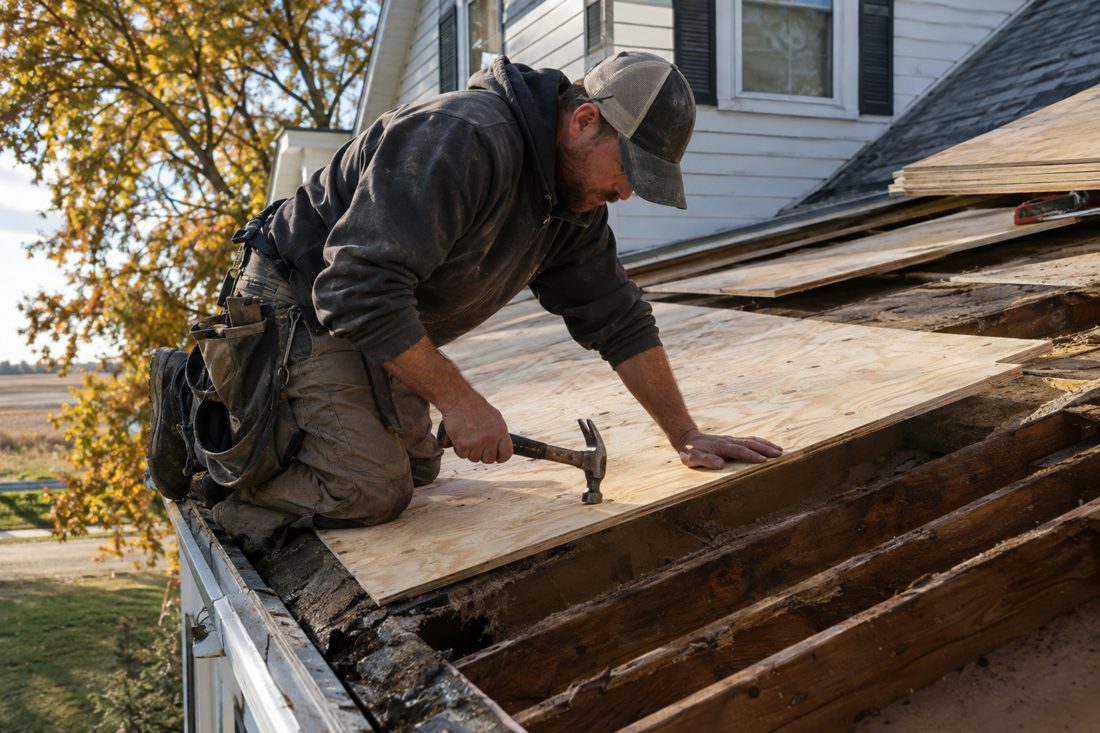

Replacing the roof on an average single-family house with architectural asphalt shingles generally runs $9,000 to $18,000. Your total depends on the roof’s size and slope, how many old roofing layers must be removed, and whether the crew uncovers damaged decking. Details such as flashing, ventilation, access, and cleanup can also affect the written scope. Ask for the materials and work to be listed clearly so you can compare estimates on the same basis.

Expect Class 4 impact-resistant shingles to add around 10 to 25 percent to the cost of a new roof. If hail is common in your area, ask your insurance company whether Class 4 shingles might earn a discount; savings and eligibility vary by policy. For a minor leak, repairs often cost $300 to $1,200; the final amount depends on what caused it and how much damage there is. If your policy covers storm damage, you generally owe the deductible, while the insurer pays the remaining approved costs. Confirm coverage and terms with your insurer.
Homeowners can use the referral service to reach area contractors who handle roofing projects. Tell us about your project to connect with a nearby crew familiar with local roofing issues.
A written estimate helps you understand the recommended repair or replacement, materials, and expected costs. Ask questions until you know what is included and what could change if hidden damage appears.
A repair may be enough for isolated damage, while widespread wear can call for a broader plan. A local pro can explain the findings and help you weigh practical next steps.
Waterloo roofs face a demanding mix of weather. Hail can damage shingle surfaces, strong winds can pull at roof edges, and heavy snow adds weight during winter. Ice dams are another concern when melting snow refreezes near the eaves and blocks drainage. After storm season, look from the ground for displaced shingles, debris, or changes around gutters. A professional inspection can check areas that are not visible from below without putting you at risk on a ladder.
In fall, clear leaves and small branches from gutters so water has a path away from the roof and foundation. Check that downspouts are attached and direct water away from the house. Do not use sharp tools on shingles or pull at roofing materials while clearing debris. If water spills over the gutter edge or you see sagging, corrosion, or loose sections, ask a local pro whether cleaning or repair is appropriate for your setup.
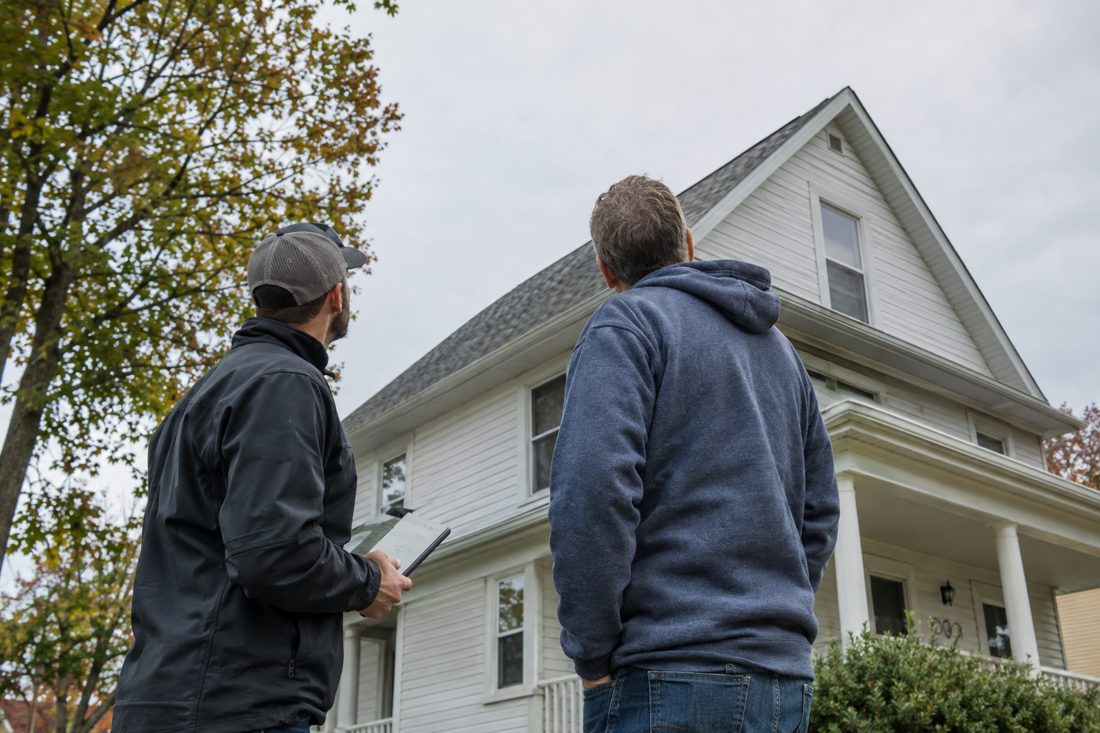
Before and during winter, keep an eye out for recurring ice buildup, damp attic insulation, or stains that appear after a thaw. Those signs can point to a roofing issue, ventilation problem, or a combination of factors. Avoid chipping ice from the roof, since tools can damage shingles and working above ground is hazardous. A roofer can inspect the roof and attic conditions and discuss improvements that suit the home rather than treating only the visible symptom.
After a hail or wind event, take photographs from safe ground-level locations and write down the date you noticed damage. If you find water indoors, move valuables away from the area and use a container to catch drips while arranging an inspection. Keep estimates, inspection notes, and communication with your insurer together. Homeowners in Waterloo and nearby ZIP code 50701 can use those records to describe the issue clearly when requesting help from a local crew.
Roofing companies may also work in Cedar Falls, Evansdale, Hudson, Elk Run Heights, and Raymond. Provide your address and project information so the service can check whether your area is covered.
Have the roof checked if you notice a leak, visible damage, or a change after a major storm. Regular inspections can also be useful as the roof ages or before buying a home. Waterloo’s hail, wind, snow, and ice can expose weaknesses, but the right inspection schedule depends on the roof’s material, age, and condition.
Yes. Hail may leave damage that is difficult to identify from the yard, and some marks can resemble ordinary wear. Avoid climbing onto the roof to investigate. A local pro can inspect the roofing materials and nearby components, document what they find, and explain whether repairs or further review may be needed.
The answer hinges on where the leak is coming from and the roof’s condition overall. A limited problem may be addressed with a targeted repair, while widespread deterioration or repeated failures may make replacement worth considering. Ask the contractor what supports their recommendation, then request a written outline of the work.
Coverage depends on your policy terms, what caused the damage, and the insurer’s review. A roofer can provide photos and an estimate, but cannot decide what your policy covers. Before approving any work, call your insurer, check your deductible and policy terms, and compare the contractor’s assessment with the scope the insurer approves.
Roof size and pitch, the number of existing layers, material selection, and decking repairs can all affect the price. For a typical single-family home, an architectural asphalt roof replacement often costs $9,000 to $18,000. Request a detailed estimate that explains tear-off, materials, repairs, and cleanup so you can compare proposals fairly.
They may be worth discussing because hail is one of the weather risks for local roofs. Class 4 impact-resistant shingles can raise the replacement price by about 10 to 25 percent, and certain insurance policies may offer a discount. Ask your roofer about product suitability and your insurer about eligibility rather than assuming a discount applies.
Tell us where the home is and what you have noticed, such as missing shingles, a leak, hail marks, or an aging roof. The referral service can put you in touch with area roofing contractors to discuss an inspection or request pricing for repairs or a new roof. For storm-related concerns, include when the damage may have happened and attach photos if the form allows.
Prefer to talk? Tap to call.